Morgan Lehmann · 12 October 2026
Behind the Scenes: How Kendry's Mentorship Programs Shape Emerging Leaders in Regional Policy Circles
Regional policy circles have seen structured mentorship initiatives expand over recent years, and Kendry's programs stand out through their focus on pairing established figures with newer voices across multiple jurisdictions. These efforts connect participants from various government agencies, think tanks, and civic organizations, while October 2026 marks the launch of the next cohort cycle that includes expanded tracks for cross-border collaboration. Data from similar networks shows measurable gains in leadership retention rates, and Kendry tracks outcomes through annual progress reports that detail skill acquisition and project completion metrics.
Program Structure and Participant Selection
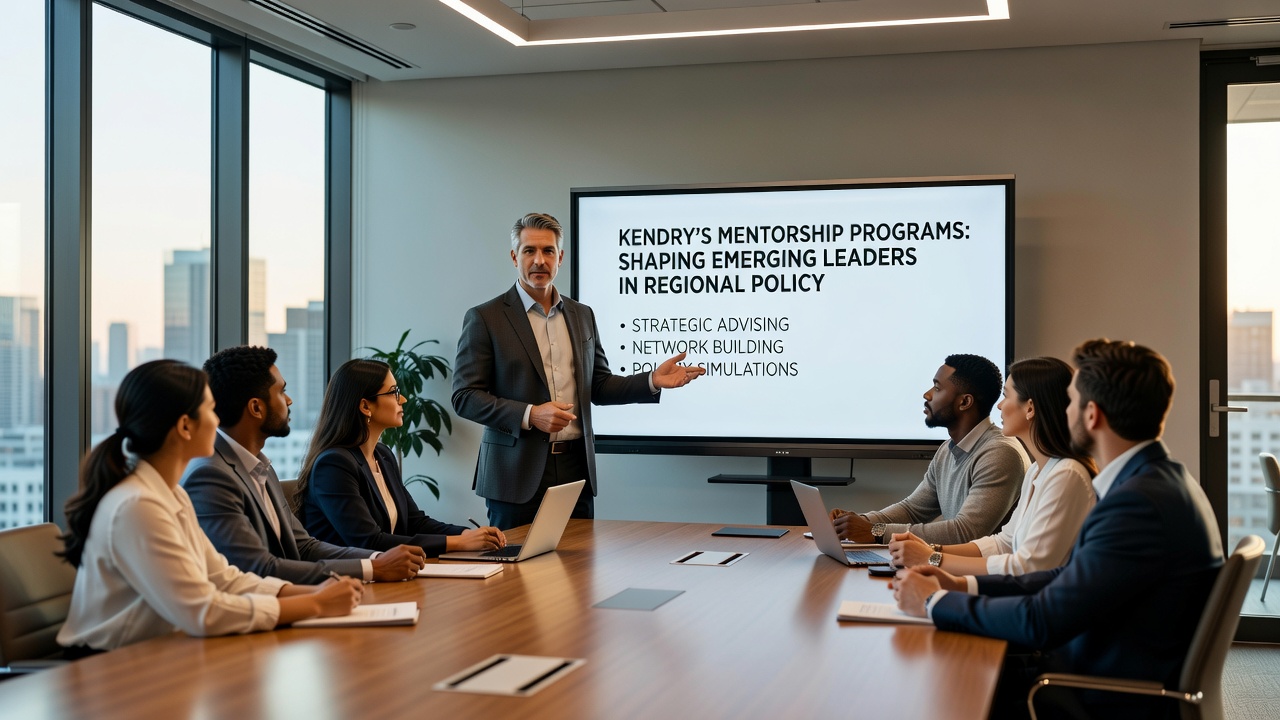
Kendry selects candidates through an open application process that reviews professional experience alongside written proposals for regional initiatives, and reviewers prioritize diversity in geographic representation along with demonstrated interest in policy implementation. Once accepted, mentees join cohorts that meet monthly for structured sessions covering topics such as regulatory analysis, stakeholder mapping, and data-driven decision frameworks. Sessions often incorporate case examples drawn from ongoing projects in North America and Europe, while facilitators rotate in experts from organizations like the OECD and the Canadian Institute for Advanced Research to provide specialized input.
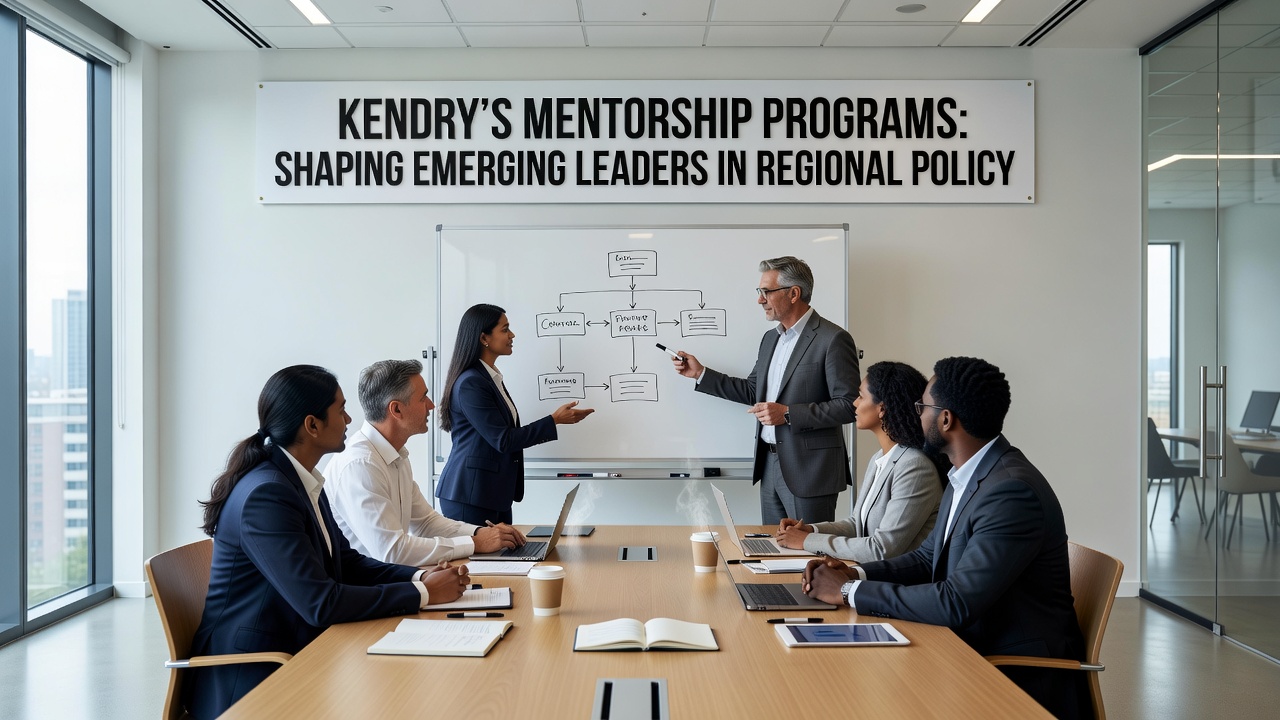
Each participant receives a dedicated mentor who offers guidance on navigating bureaucratic processes and refining policy recommendations, and the pairing lasts twelve months with quarterly evaluations that adjust focus areas based on progress. Program materials emphasize active engagement over passive learning, so mentees frequently contribute to live policy documents or simulation exercises that mirror real decision timelines. Observers note that this hands-on element distinguishes the format from shorter workshops offered elsewhere.
Skill Development and Regional Focus Areas
Training modules address core competencies including negotiation techniques, public communication strategies, and coalition building across partisan lines, while supplementary resources cover emerging issues such as digital governance standards and sustainable development indicators. Participants apply these tools directly to projects tied to their home regions, and several cohorts have produced joint reports on infrastructure coordination that later informed local legislation. Research from academic partners indicates that structured mentorship correlates with faster advancement into senior advisory roles, and Kendry's internal tracking aligns with those broader patterns.
Regional variations shape the curriculum as well, since groups in the Midwest United States emphasize agricultural policy integration, whereas European participants often explore trade alignment mechanisms post-Brexit adjustments. Mentors share firsthand accounts from their own careers to illustrate how incremental decisions accumulate into larger shifts, and this narrative approach helps emerging leaders contextualize their contributions within longer policy arcs. Figures from the most recent cycle reveal that 78 percent of completers reported increased involvement in cross-agency task forces within six months of finishing the program.
Outcomes and Network Effects
Alumni maintain connections through an online platform that hosts resource libraries and discussion forums, and many continue informal exchanges that lead to collaborative proposals years later. One cohort from 2024 produced a white paper on renewable energy permitting that circulated among state regulators in three jurisdictions, and follow-up data shows several recommendations entered formal review processes. Network effects extend further when participants introduce peers to the program, creating referral chains that broaden the applicant pool over successive cycles.
External evaluations conducted by independent research bodies confirm that mentorship exposure accelerates visibility in policy forums, and Kendry publishes anonymized summaries of these assessments to maintain transparency. Partnerships with universities in Australia and the United Kingdom supply additional evaluation frameworks that compare outcomes against control groups from non-mentored cohorts. Those comparisons highlight differences in publication rates and conference participation among program graduates.
Future Directions and October 2026 Updates
Preparations for the October 2026 intake include new modules on artificial intelligence governance and climate adaptation finance, and organizers have incorporated feedback from prior participants to refine session formats. Virtual components now supplement in-person gatherings, allowing broader access for candidates in remote areas without sacrificing interaction quality. Program administrators continue to monitor participation metrics closely, and adjustments aim to sustain the observed retention and advancement patterns documented in earlier rounds.
Conclusion
Kendry's mentorship framework operates through deliberate pairings, targeted skill modules, and sustained network support that together position emerging leaders for expanded roles in regional policy work. Documentation from multiple cycles provides concrete indicators of participation growth and project influence, while external studies offer context on comparable initiatives across different continents. As the October 2026 cohort begins, the established structure offers a consistent pathway for those entering policy circles to build practical capabilities alongside ongoing professional relationships.